Trezor.io/Start is the official onboarding page for setting up any Trezor hardware wallet, such as the Trezor Model One or Trezor Model T. It serves as the secure beginning point for new users, guiding them through downloading the necessary software, installing updates, and creating or restoring a wallet. Visiting this page ensures that users avoid malicious websites and always follow the recommended steps for a safe and successful setup. The page walks you through connecting the device, updating firmware, generating a recovery seed, and preparing your computer to communicate with the Trezor device.
One of the important components introduced during setup is Trezor Bridge. Trezor Bridge is a communication layer that allows your web browser or desktop application to interact directly with your Trezor hardware wallet. Without it, the computer cannot properly connect to the device. Bridge runs quietly in the background and enables secure communication for tasks such as signing transactions, verifying addresses, and managing your crypto assets. It eliminates compatibility issues and ensures a smooth connection across different browsers and operating systems. When you plug in your Trezor, Bridge helps your computer recognize it and facilitate encrypted exchanges of data.
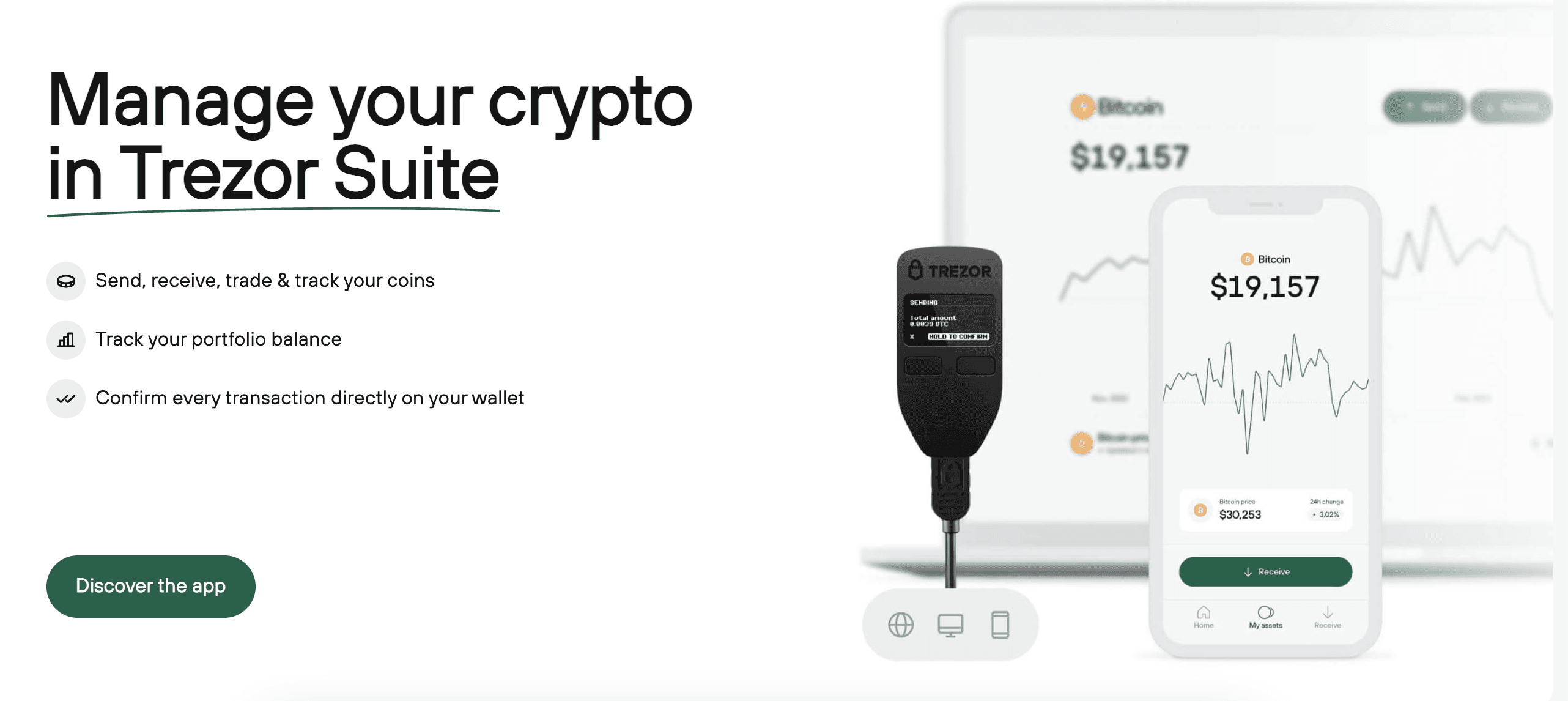
Once your device is set up and Bridge is running, you will use the Trezor Wallet or Trezor Suite to manage your cryptocurrencies. Previously, Trezor Wallet was the primary browser-based interface, but today Trezor Suite is the recommended application. Trezor Suite is a powerful desktop and web app that provides a secure environment for managing digital assets, checking balances, sending and receiving crypto, and integrating additional features like coin management, labeling, and Tor connectivity. Trezor Suite combines a user-friendly design with advanced security features, giving users full control over their hardware wallet in an intuitive dashboard.
Trezor Suite works hand-in-hand with the hardware wallet by ensuring that all sensitive operations are confirmed physically on the device’s screen. When you initiate a transaction inside Suite, the Trezor device displays the details and requires you to confirm them manually. This physical confirmation ensures that even if your computer were compromised, an attacker could not alter or approve a transaction without your direct input. The private keys never leave the Trezor hardware wallet, and Suite acts only as an interface—never touching or storing your secret information.
The workflow is simple: Trezor.io/Start gets your device ready, Trezor Bridge connects it to your computer, and Trezor Suite becomes your control panel for everyday crypto management. The Trezor hardware wallet remains the core security element throughout the process. Everything revolves around keeping your private keys offline and safe while still giving you a smooth, powerful toolset for managing your assets.